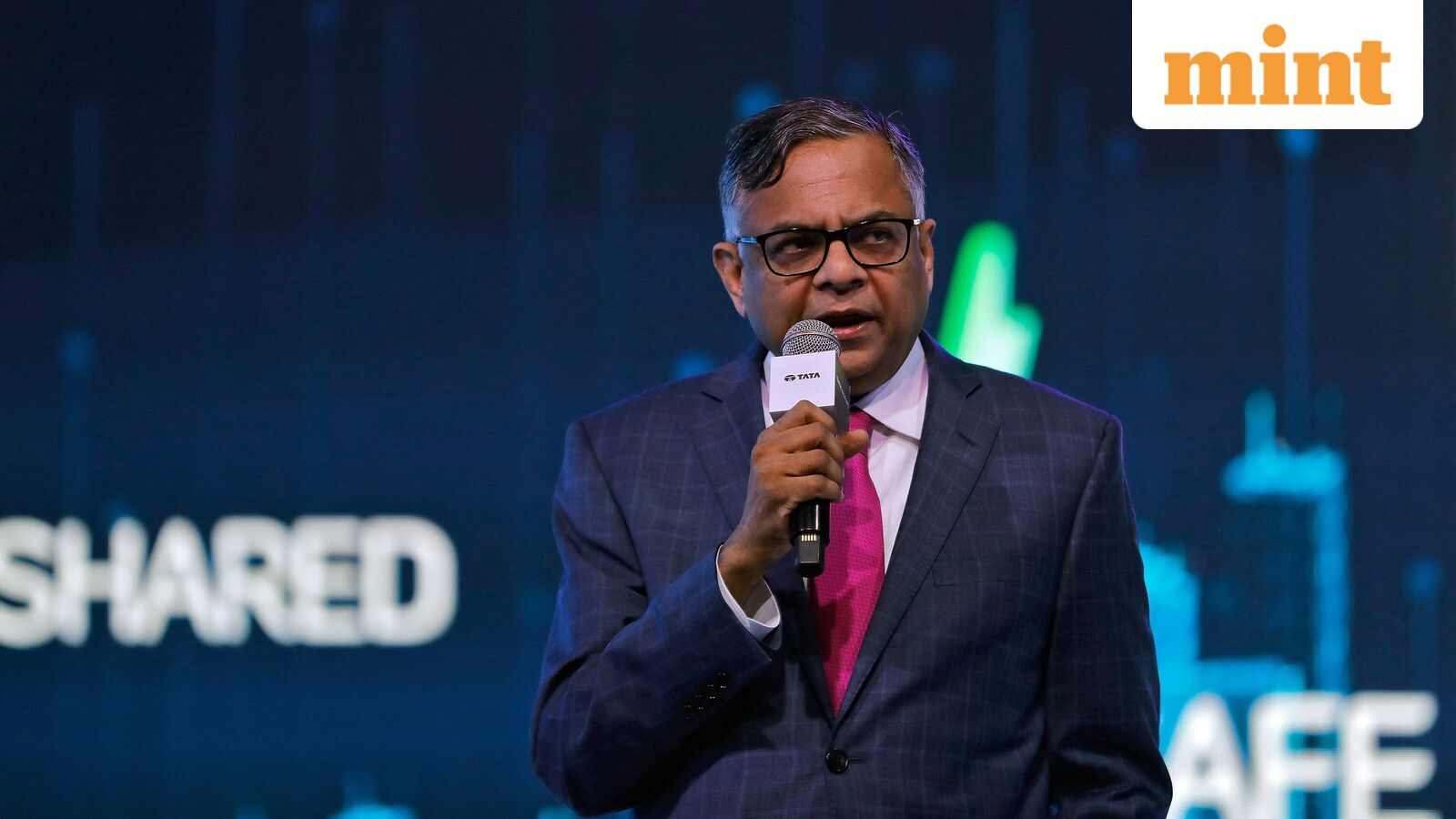
Chandrasekaran says TCS has seen the worst; AI to reshape workforce
At TCS’s 31st annual general meeting, Chairman N Chandrasekaran stated that the company has experienced its worst slowdown. He conveyed optimism that artificial intelligence (AI) will play a crucial role in driving a new phase of growth, potentially allowing TCS to deploy as many AI agents as employees.
Growth Path
Chandrasekaran addressed shareholders’ concerns regarding TCS’s recent performance, noting that periods of technology disruption often lead to short-term setbacks in growth and market confidence. “Those shareholders who have remained with the company for the last 25, 30 years… have faced technology disruptions,” he explained. The chairman pointed out that these disruptions tend to cause clients to pause on technology adoption, negatively impacting both growth and stock performance.
At the AGM, a notable portion of the 42 shareholders present raised questions about the declining share prices, with four-fifths seeking clarity on AI’s implications for the company. TCS shares fell 0.1% to ₹2,149.55, marking a six-year low and a 33% decline since the start of the year, making it the worst performer among India’s top five IT companies.
Chandrasekaran attributed fluctuations in share prices to either a drop in company revenue or market skepticism regarding future growth. He expressed confidence that the company has already navigated the worst of recent challenges, stating, “I believe AI growth will be significant.”
AI Shift
A pivotal element of TCS’s growth strategy involves the integration of AI across its operations. The company forecasts that within two years, all revenue will include an AI component. Chandrasekaran articulated a vision where the workforce will include an equal number of AI agents as employees, stating, “If the company has half-a-million employees, the day is not far when the company will have half-a-million AI agents.”
As of now, TCS has approximately 584,519 employees, which reflects a decrease of 23,460 from the previous year, primarily due to significant layoffs the company has undertaken. Looking ahead, the company anticipates a slowdown in hiring.
“Will it (AI) definitely lead to decrease in hiring? Absolutely. The company will not be hiring the kind of numbers that it used to hire,” he affirmed. However, he also emphasized that AI will spur new roles and skill requirements, even as overall hires decline.
New Challenges
While speaking about the risks associated with the rise of AI agents, Chandrasekaran acknowledged the potential for them to drift off course over time. He highlighted the complexities involved in implementing AI within enterprises, which include training, performance monitoring, compliance governance, and managing costs. “These will be significant challenges and opportunities for established IT services firms,” he said.
Chandrasekaran noted that despite these hurdles, AI represents a considerable opportunity for TCS. An industry peer echoed this sentiment, commenting on the transformative impact of AI technology in a recent shareholder meeting.
Despite shareholder concerns surrounding recent performance, none questioned the possibility of Chandrasekaran’s continuation as Tata Sons chairman, with one shareholder congratulating him on a decade in the role.